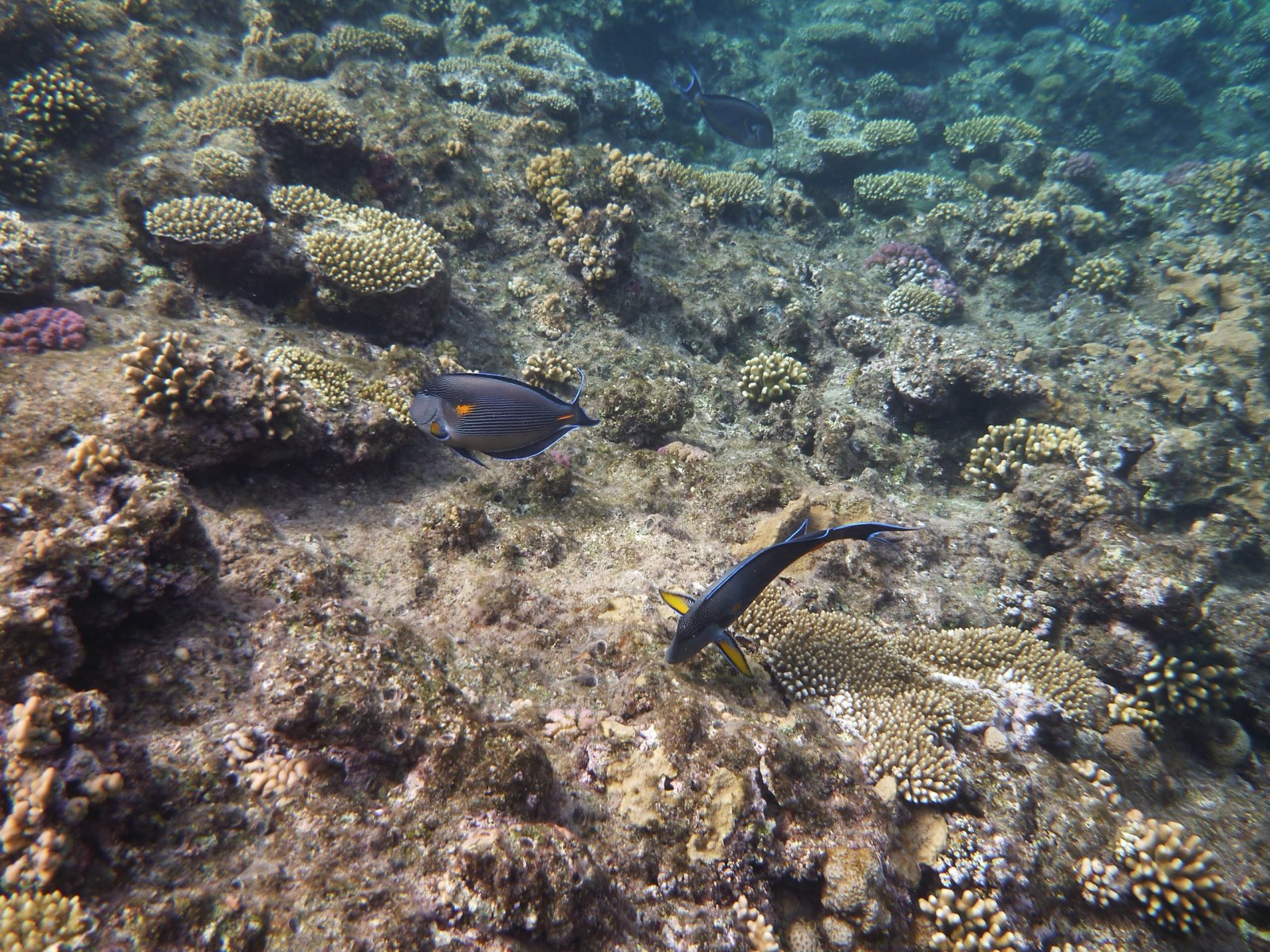
Below the surface
The world's best dives, honestly mapped.
Red Sea reefs, Maldivian mantas, Raja Ampat and the Galápagos — where to dive, when to go, how to book it.
Red Sea reefs, Maldivian mantas, Raja Ampat and the Galápagos — where to dive, when to go, how to book it.
The diving is the easy part — it's the bits around it that catch people out. Data the moment you land, a driver waiting after a long-haul flight, and the right cover for going underwater all make a dive trip run smoother. These are the partners we'd use ourselves; you book them direct.
An eSIM with data the moment you land — maps to the dive centre, your boat's WhatsApp, and a lifeline between dives. No roaming bills.
Get an eSIM → →A driver waiting at arrivals — fixed price, no haggling after a long flight with a bag full of dive gear. Worth it when you land late or far from the water.
Book a transfer → ⚲Some of the best shore diving is off the beaten track. Compare hire cars if you want to reach quieter reefs and dive on your own schedule.
Compare cars → ✦Every diver needs a no-fly day before flying home. Tours, day trips and tickets to fill the gaps between dives and that last 24 hours topside.
Browse experiences →On travel insurance: most standard policies don't cover scuba diving, and almost none cover it below 18–30m. Check the small print, or look at diver-specific cover (DAN, DiveAssure) before you go — our packing guide walks through it.
Go Dive Deep may earn a commission when you book through our partners, at no extra cost to you. We only recommend what we genuinely rate.
The best diving isn't always the nearest — it's the right water in the right season: manta season in the Maldives, the Red Sea's coral walls, the big stuff in the Galápagos. We map the where and when.
We don't run dives — we help you choose where and when, then you book your own centre or liveaboard.
"Wake up over the reef, dive before breakfast, and do it again all week."
A taste of the world's great dives — read the guides, then book it your own way.
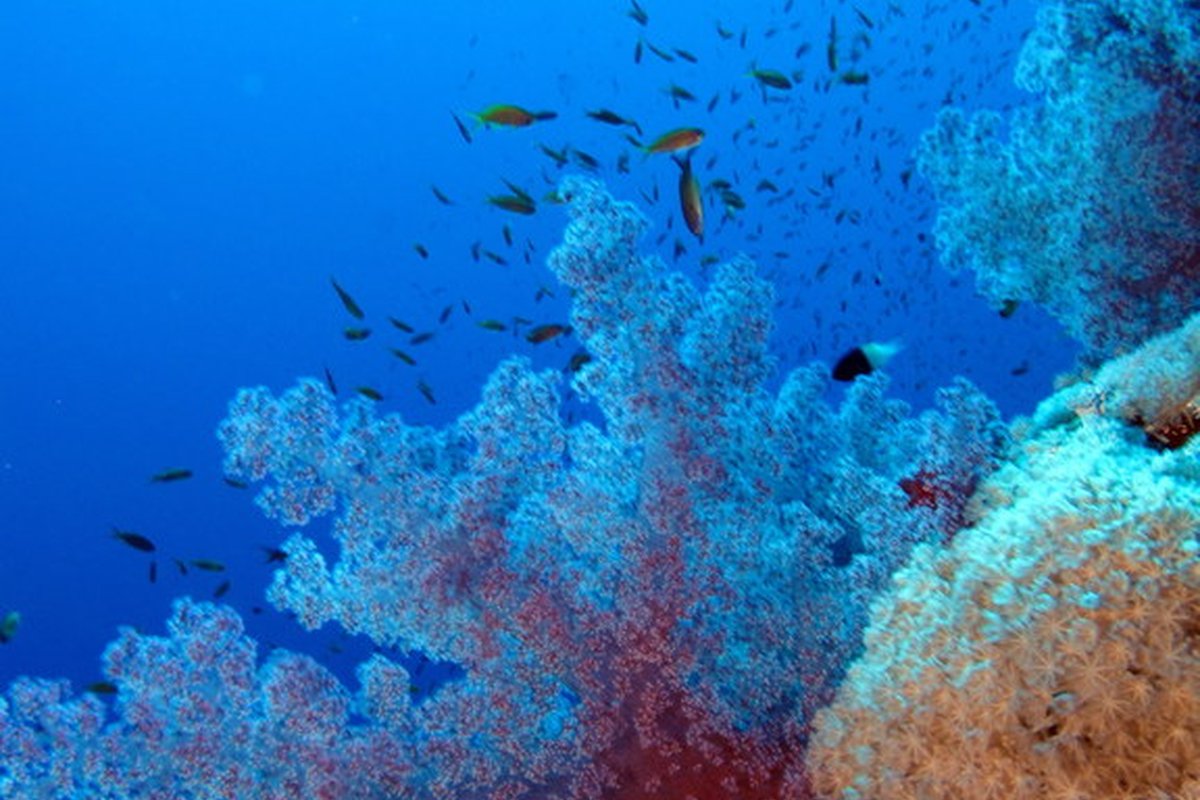 Egypt
EgyptWarm water, coral walls and easy access — the best-value diving in the world.
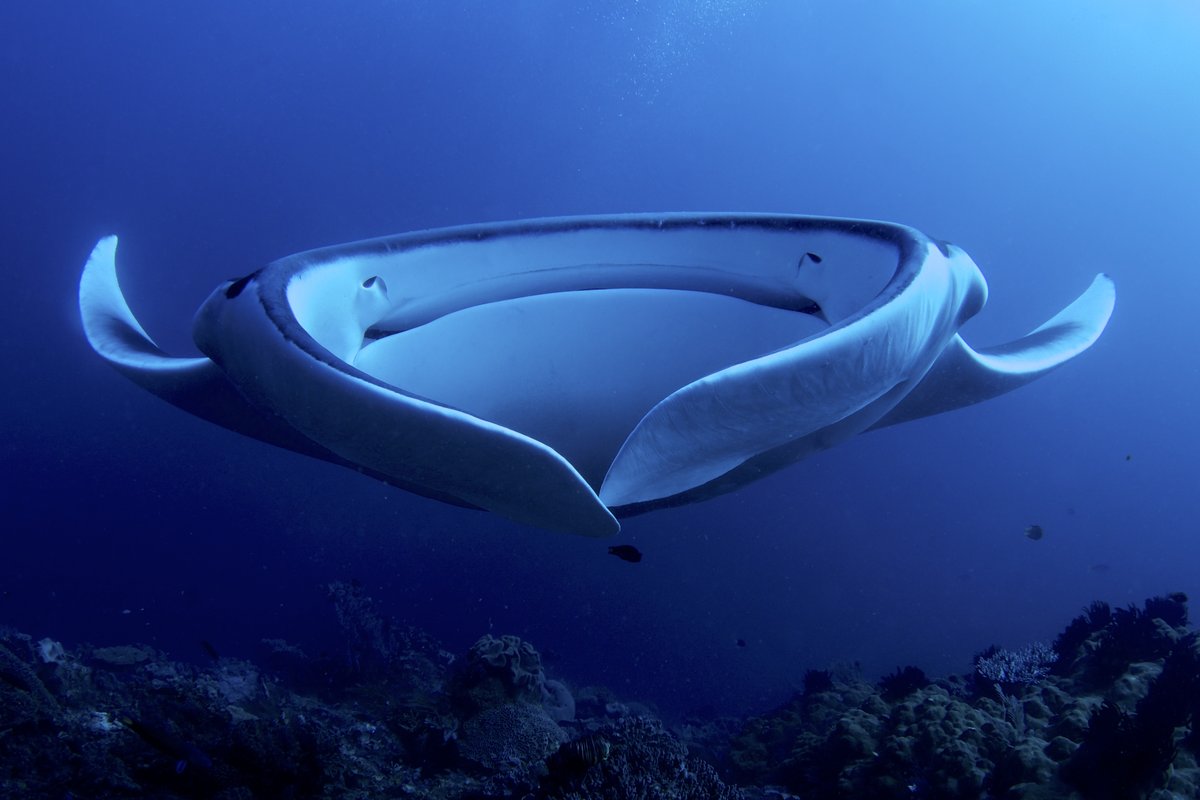 Maldives
Mantas, whale sharks and channel drifts — liveaboard or overwater base.
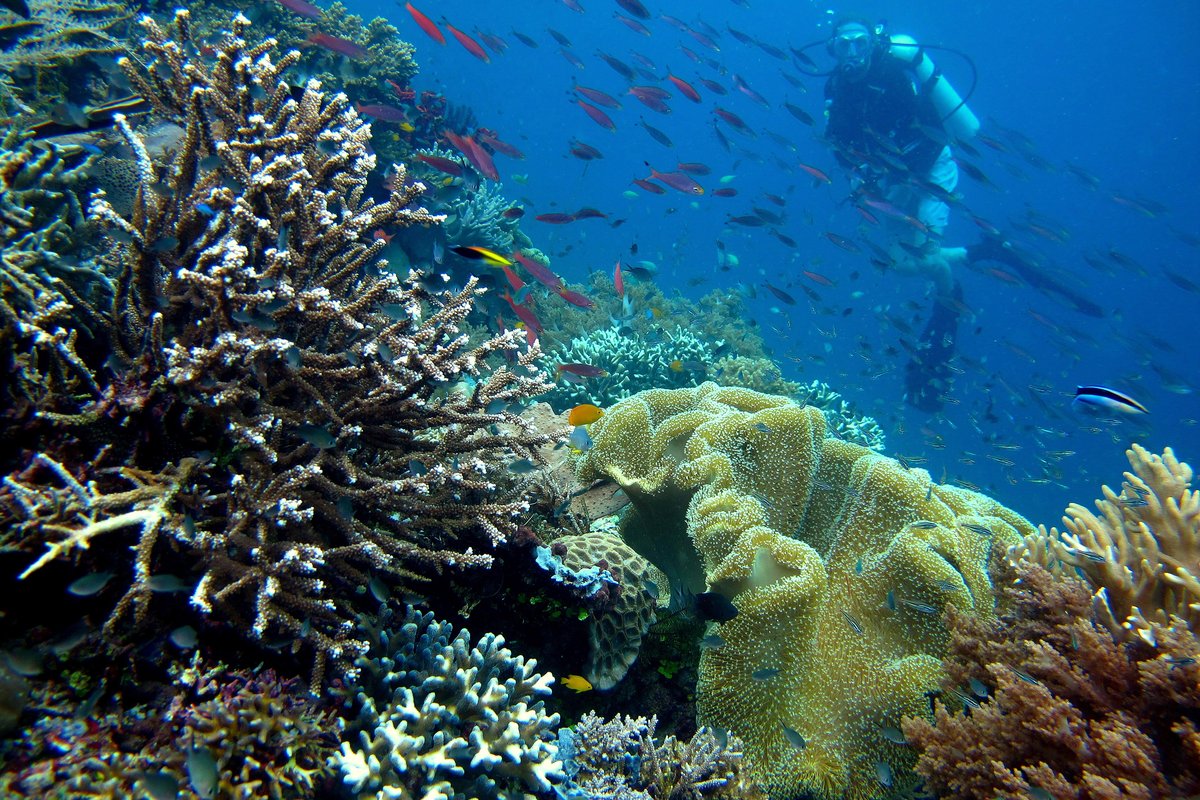 Indonesia
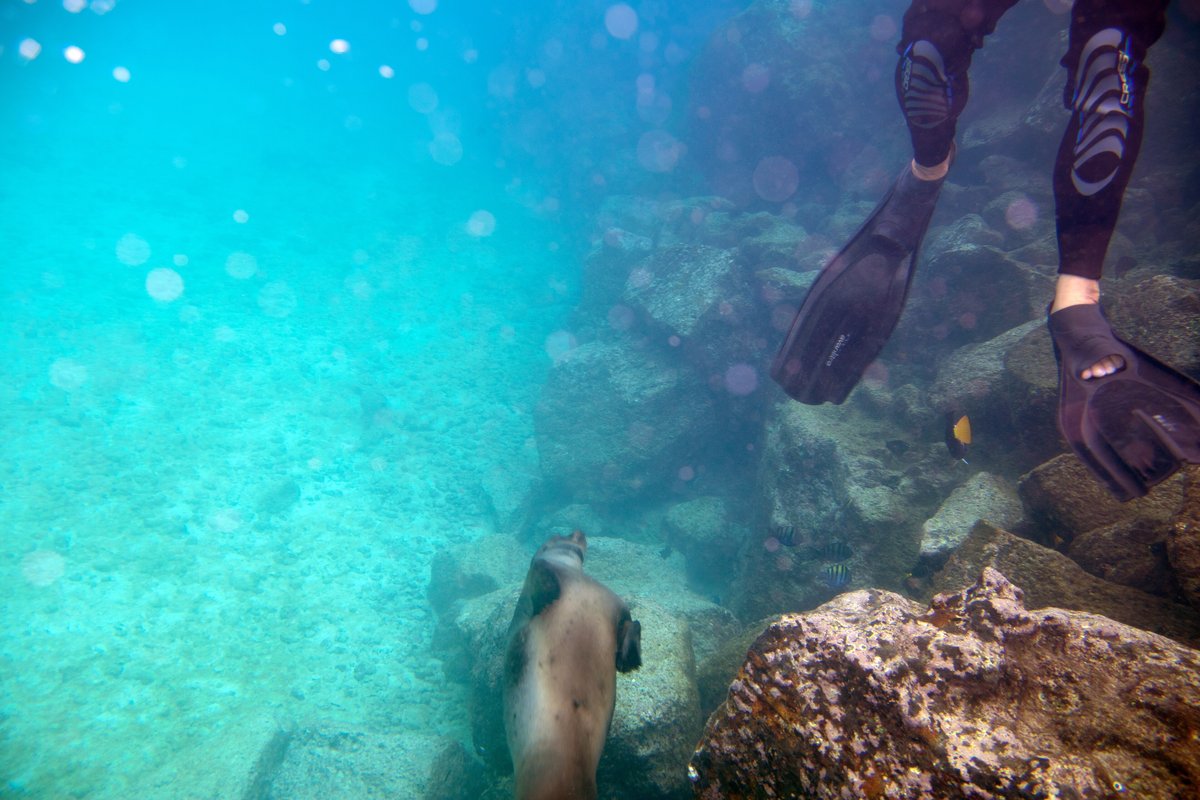 Ecuador
Hammerheads, sea lions and the big stuff — advanced, and unforgettable.
A taste of the reefs — read the guides for each to plan your trip.
We're a guide, not a booking site — so the path is simple. Read the honest groundwork, pick the trip that matches what you want to see and when, then book your own centre or liveaboard direct. No middleman, no markup, no surprises at the dive shop.
Reef, wreck or liveaboard — the guides help you choose the right water.
Pick a dive centre or liveaboard and book direct, your own way.
Gear checked, briefing done, and you're in the blue.
We love the dives worth crossing the world for — the walls, the drifts, the big pelagics. We're an independent guide — we don't run dives. We help you plan, then you book your own way.
The colour and the easy diving.
Mantas, sharks and whale sharks.
Open Water to tech, with vetted centres.
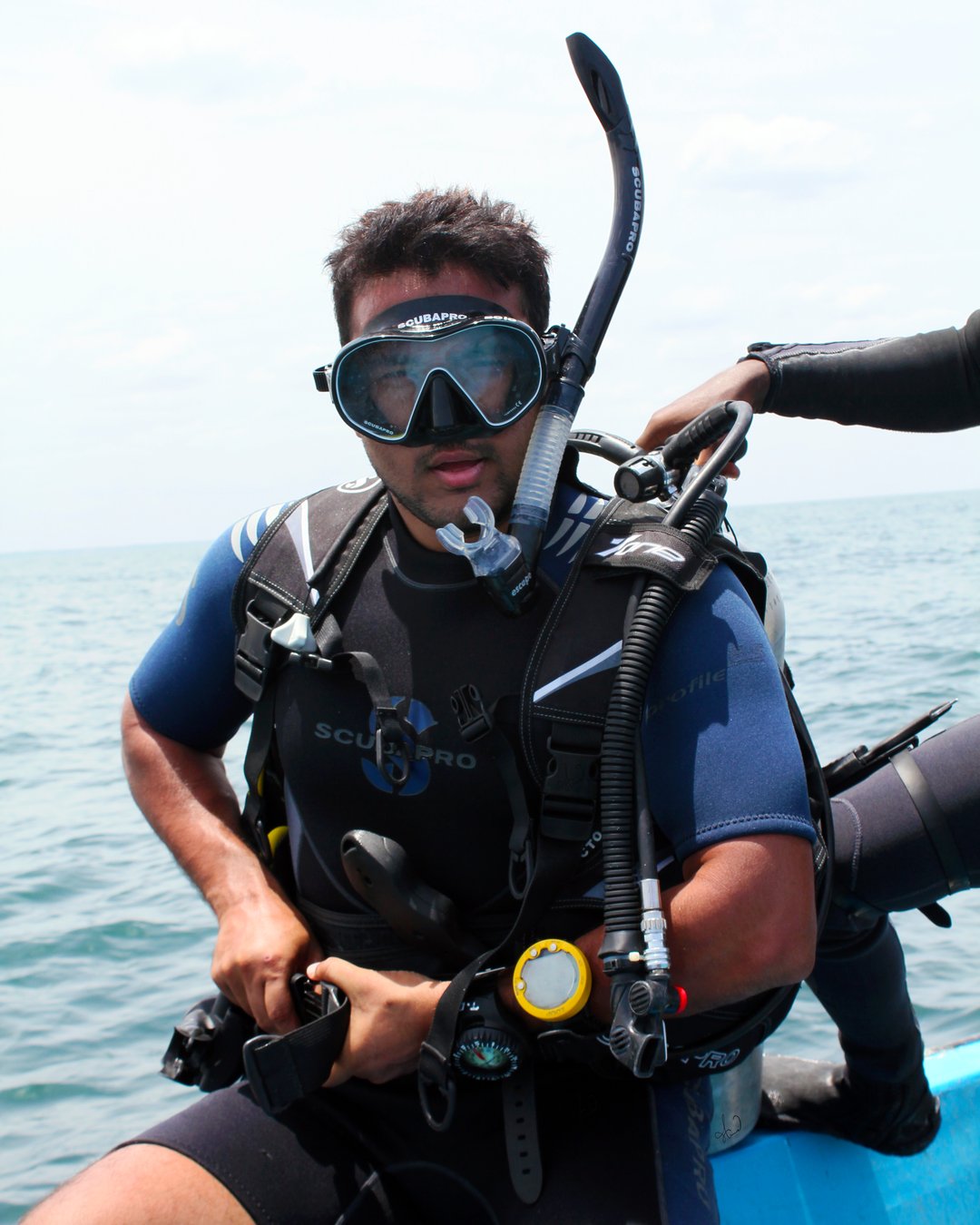
Wake up over the reef, dive before breakfast, and do it again all week.
Drift channels alive with mantas, sharks and electric-blue reef.
No commute, no shore — just you, the boat and the blue.
Before you book anything, these are the honest groundwork: where the big animals actually show up and when, what a dive trip really costs, and whether a liveaboard or a resort suits how you like to dive. Written by divers, no fluff, no affiliate-bait.
A month-by-month map of the world's best diving — so you hit the right water in the right season.
Read the guide → BudgetAn honest breakdown — certification, dives, gear and liveaboards — so the total doesn't surprise you.
Read the guide → Get certifiedWhat the Open Water course involves, PADI versus SSI, how long it takes and where to learn.
Read the guide → How to dive itThe real pros and cons of sleeping on the boat versus a land base — and who each one suits.
Read the guide → Big animalsWhere to go for the big stuff — matched to the shark, manta or whale you most want to see.
Read the guide → CompareCost, marine life, conditions and who each suits — with a clear pick for your first trip.
Read the guide →We don't run dives, sell trips, or take a cut of your booking. Go Dive Deep is an independent guide written by divers: we explain where to go, when the season's right and what it really costs, then point you to book your own centre or liveaboard direct.
Some links — eSIMs, transfers, car hire, day experiences — are affiliate links, and we earn a small commission if you use them, at no extra cost to you. We only ever suggest things we'd use ourselves. The recommendations come first; the links are just the practical bits around the edges.
The questions we get asked most before a first big dive trip. For the full picture, the guides go deeper on each.
For real diving, yes — almost every centre and liveaboard needs an Open Water certification or higher. You can do a one-day "try dive" at many resorts without one, but it limits you to shallow, supervised dives. If diving is the point of the trip, get certified at home first so you're not spending your holiday in a classroom. Our guide on getting scuba certified covers PADI versus SSI, cost and timing.
It depends entirely on what you want to see and where. Manta and whale-shark seasons, water temperature and visibility all shift through the year, and the right week makes a huge difference. The Red Sea dives well most of the year; the Maldives and Raja Ampat have distinct seasons worth planning around. Our month-by-month guide maps the best diving for each part of the year.
Usually not — most standard travel policies exclude scuba, and the ones that include it often cap depth at 18 to 30 metres or require you to dive with a guide. Always read the small print, and if you're diving deeper or doing a liveaboard, look at diver-specific cover such as DAN or DiveAssure. It's the one thing people most often get wrong.
A liveaboard puts you on top of the best reefs with three or four dives a day and no commute — ideal for remote sites and serious divers. A resort gives you more flexibility, non-diving downtime and is gentler for beginners or mixed groups. Neither is "better"; it comes down to how much you want to dive and who you're travelling with. Our liveaboard versus resort guide breaks down the trade-offs.
Gear, certification and the things divers forget — for trips to the world's best reefs.